HIPAA-Compliant Analytics & Conversion Tracking for Dental Clinics & DSOs
High-value dental campaigns — implants, Invisalign, emergencies — run on the same pixels that report which patient read your wisdom-teeth page and whose email was on the appointment form. minusPHI keeps the campaigns and removes the patient.
The exposure
Your service pages read like a dental chart.
Browsing tells the whole story — teeth, money, and timing.
When someone compares implant pricing, reads about dentures, then requests an appointment, the pixel your website builder added reports every step to Google and Meta with that person’s identity attached. Dental browsing is embarrassment-sensitive: nobody wants an ad platform to know their teeth are failing.
Dental practices are covered entities under HIPAA, and the wave of pixel lawsuits that started with hospitals has reached private practices and DSOs. The safest version of that data is the one that never leaves your website.
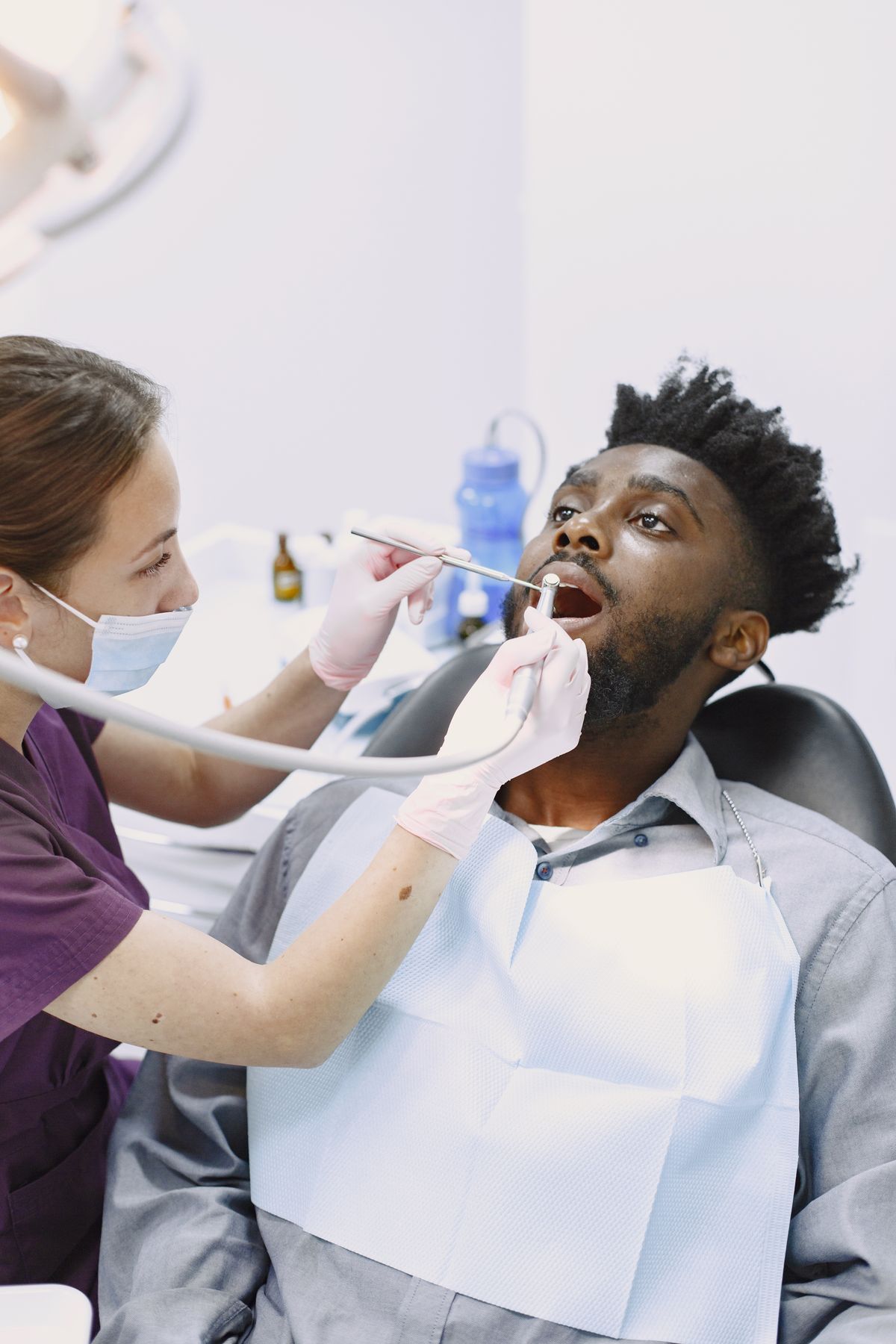 Patients trust you in the chair. The website should earn the same.
The fix
De-identified before it ever leaves your website.
The appointment still counts toward your campaign. The patient behind it stays anonymous.
What keeps working
Everything you advertise with today — untouched.
Implant and Invisalign clicks are expensive — attribution keeps working. Conversions arrive server-side with the ad-click ID attached, so Smart Bidding keeps learning without ever meeting a patient.
Whitening promos and new-patient specials keep optimizing on server-side conversion events. What Meta stops getting is who browsed which treatment.
Phone taps, appointment forms and online-scheduling clicks are detected automatically and counted as conversions. One script tag on the site you already have — no developer.
Beyond compliance
Nobody wants denture ads following them around.
 The consult stays between you. Now the website does too.
Dental browsing is more personal than it looks.
A patient who researched dentures or emergency extractions doesn’t want that interest resold as ad targeting — and when retargeting ads for implants show up on a shared family computer, the patient notices, and so does everyone else in the kitchen.
minusPHI makes “we don’t share your browsing with advertisers” something your front desk can say out loud — and your practice can prove.
- A plain-language log of what was sent, hidden, or blocked
- Sensitive pages suppressed automatically — nothing sent at all
- Visitor "do not sell" signals honored, with receipts
Questions
The honest answers.
We’re a multi-location group — how does that work?
Each website gets its own script tag, its own daily exposure scan and its own plain-language report. Pricing is per website, so a five-location group protects five sites, and every location is visible from one dashboard.
Will our Google Ads still optimize?
Yes — for what matters. Appointment campaigns optimize on conversion events, delivered server-side with the click ID attached, so bidding and attribution keep working. What you give up is visitor retargeting, because that inherently requires handing platforms the browsing data this product exists to protect.
Does HIPAA really cover our website?
Dental practices are covered entities, and regulators have said tracking-pixel data tied to identity can be protected health information. But you don’t have to settle the legal question to remove the risk: strip the identity, and there is nothing left to argue about.
What does setup look like?
About five minutes: paste one script tag into WordPress, Squarespace, Wix, Webflow or a custom site. Conversions are detected automatically, and your first exposure report arrives the same day. No developer required.
See what your website sends — before your patients do.
Start free — no credit cardFull protection is free for 14 days, then $99/month per website · Cancel anytime