HIPAA-Compliant Analytics & Conversion Tracking for Med Spas
Med spas run on Instagram and Google ads — and the pixels behind them report which client browsed Botox pricing, who asked about weight-loss shots, and whose name was on the consult form. minusPHI keeps the campaigns and removes the client from the data.
The exposure
Every treatment page is a story about a client.
Your website is telling advertisers who's considering what.
When someone reads your lip-filler pricing, checks the semaglutide FAQ, then books a consult, the tracking pixel your web designer installed years ago reports each step to Meta and Google — tied to that person's identity. For a business built on discretion, that's the worst possible data to be leaking.
And the legal side has caught up: the same lawsuits that started with hospitals are now filed against aesthetics and weight-loss businesses under state wiretap and consumer-health-privacy laws — whether or not HIPAA applies to you.
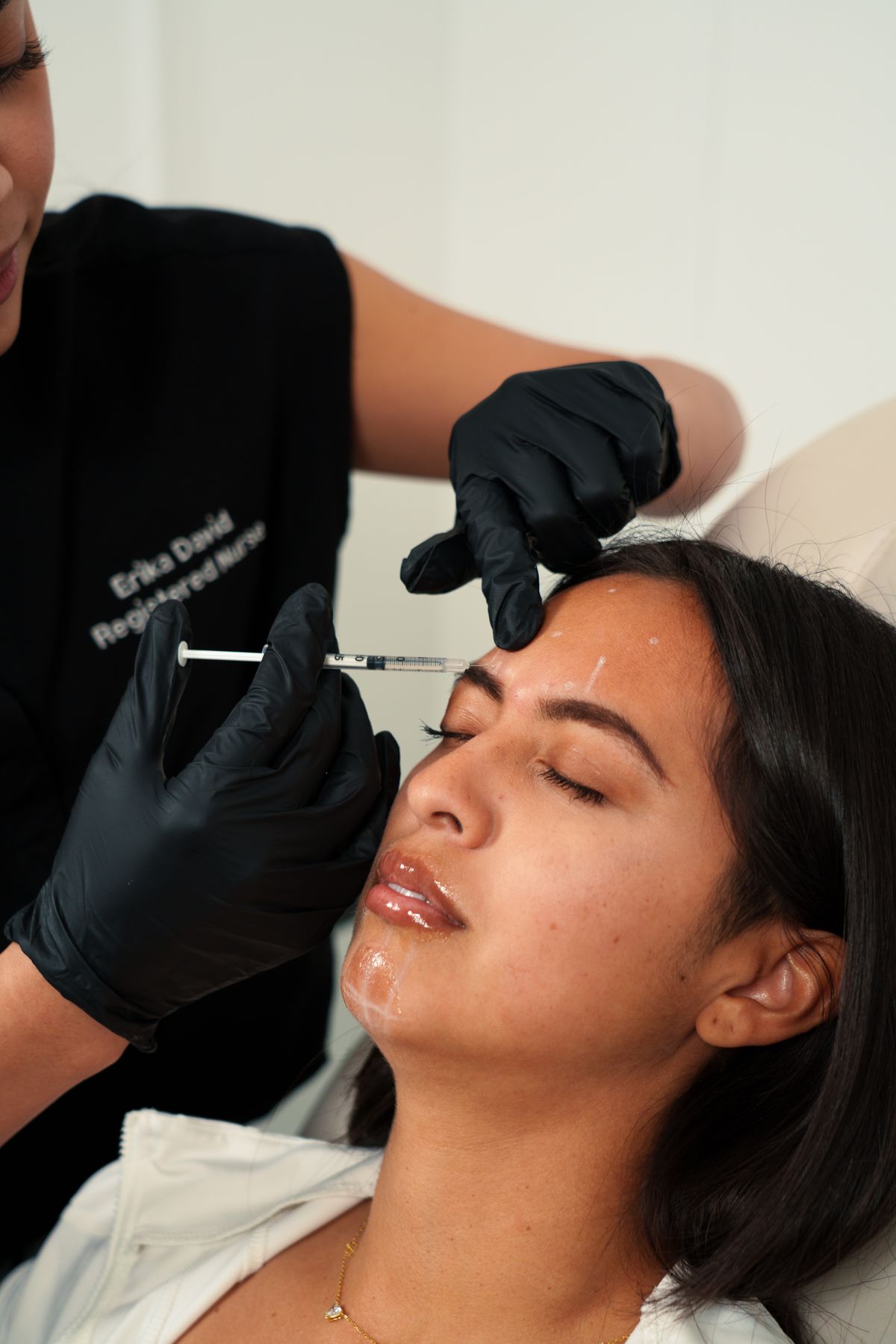 Discretion is the product. Your website should honor it.
The fix
De-identified before it ever leaves your website.
The consult still counts toward your campaign. The client behind it stays anonymous.
What keeps working
Everything you advertise with today — untouched.
Consult and lead campaigns keep optimizing: bookings are delivered server-side with the ad-click ID attached, so Meta still knows the campaign worked — just not who it worked on.
GA4 dashboards and Google Ads attribution keep flowing. Your marketing agency changes nothing — the data is simply de-identified before Google ever sees it.
Phone taps, contact forms and booking-widget clicks are detected automatically and counted as conversions. No developer, no re-platforming — one script tag on the site you have.
Beyond compliance
Nobody wants Instagram to know about their appointment.
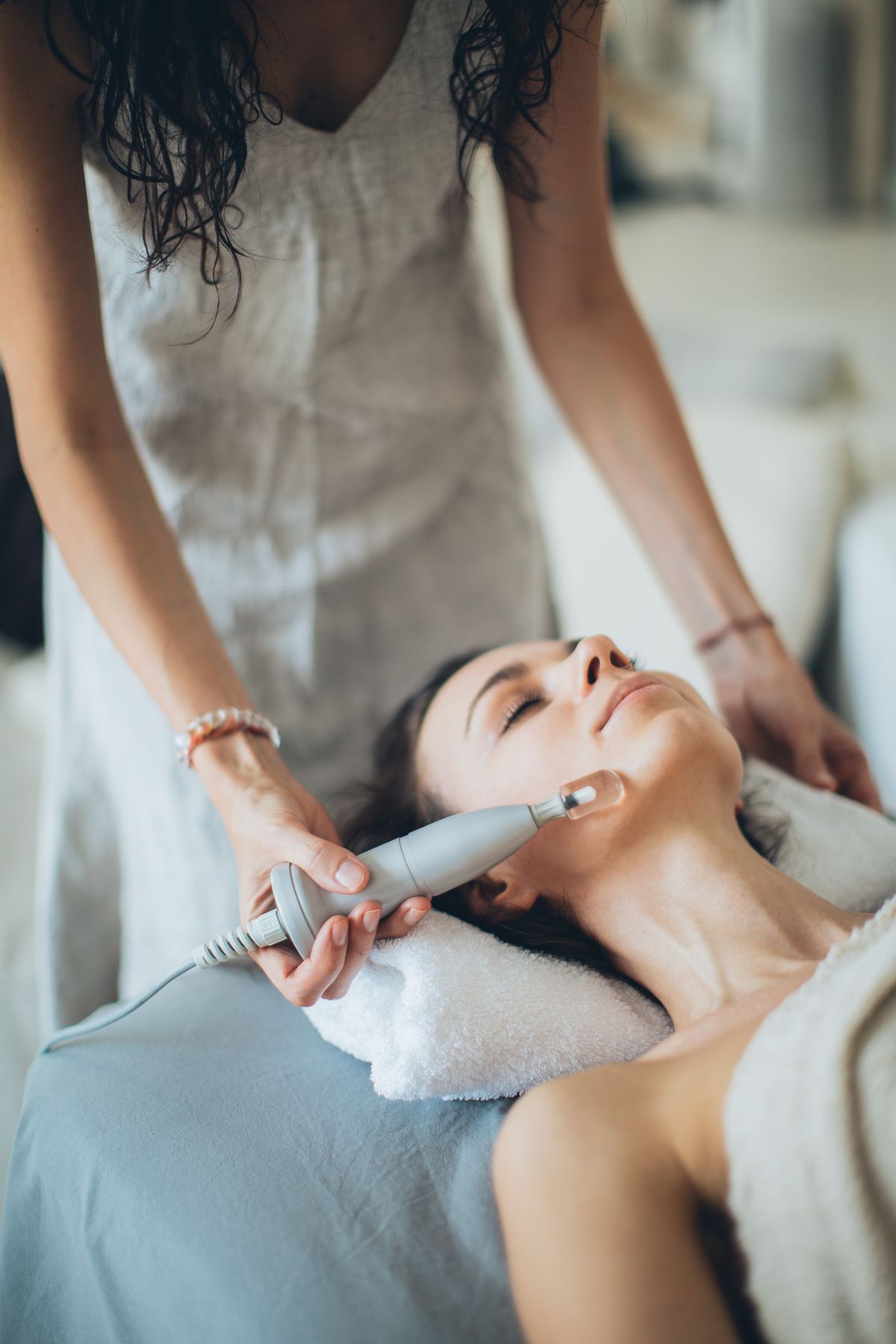 Clients recommend the facial. Not the retargeting ads that follow it.
Privacy is a service you can put on the menu.
Your clients tell their friends about a great treatment — they don't want ad platforms learning they browsed jawline filler or GLP-1 pricing. When retargeting ads chase someone around the internet after one visit to your pricing page, that's a brand problem before it is ever a legal one.
minusPHI makes "we don't share your browsing with advertisers" something you can actually say — and prove.
- A plain-language log of what was sent, hidden, or blocked
- Sensitive pages suppressed automatically — nothing sent at all
- Visitor "do not sell" signals honored, with receipts
Questions
The honest answers, med-spa edition.
Does HIPAA even apply to a med spa?
Often more than owners expect — prescription treatments like Botox and GLP-1s, a medical director, or insurance billing can put you in covered territory. But the pixel risk doesn't hinge on HIPAA: state consumer-health-privacy and wiretap laws cover "consumer health data" broadly, including cosmetic and weight-loss interests, and those suits name businesses like yours regardless of licensing. Removing the data ends the question either way.
Will my Instagram ads still optimize?
Yes — for what matters. Consult and lead campaigns optimize on conversion events, which minusPHI delivers server-side with the ad-click ID attached, so attribution keeps working. What you give up is visitor retargeting, because that inherently requires handing Meta the browsing data this product exists to protect.
Do my before-and-after galleries or blog change?
Nothing on your website changes — pages, galleries, booking widgets and forms all look and work exactly as they do today. minusPHI only changes what leaves the visitor's browser: identity out, marketing signal through.
How long does setup take?
About five minutes: paste one script tag into WordPress, Squarespace, Wix, Webflow or a custom site. Conversions are detected automatically, and your first exposure report arrives the same day. No developer required.
See what your website sends — before your clients do.
Start free — no credit cardFull protection is free for 14 days, then $99/month per website · Cancel anytime