HIPAA-Compliant Analytics & Conversion Tracking for Plastic Surgery Practices
People research procedures for months before they call — at midnight, on shared devices, telling no one. The pixel on your website has been telling Meta and Google the whole time. minusPHI keeps your campaigns and ends the leak.
The exposure
Procedure research is a secret by default.
Your patients haven’t told anyone. Your website told two ad platforms.
A visitor who compares rhinoplasty pricing, studies your before-and-after gallery, then books a consult expects total discretion. The tracking pixel reports each page with identity attached — and retargeting ads for tummy tucks on the family iPad have outed more than one patient’s plans.
Plastic surgeons are HIPAA-covered, and cosmetic-interest data is exactly what state consumer-privacy suits now go after. Discretion isn’t a courtesy in this specialty — it’s the product.
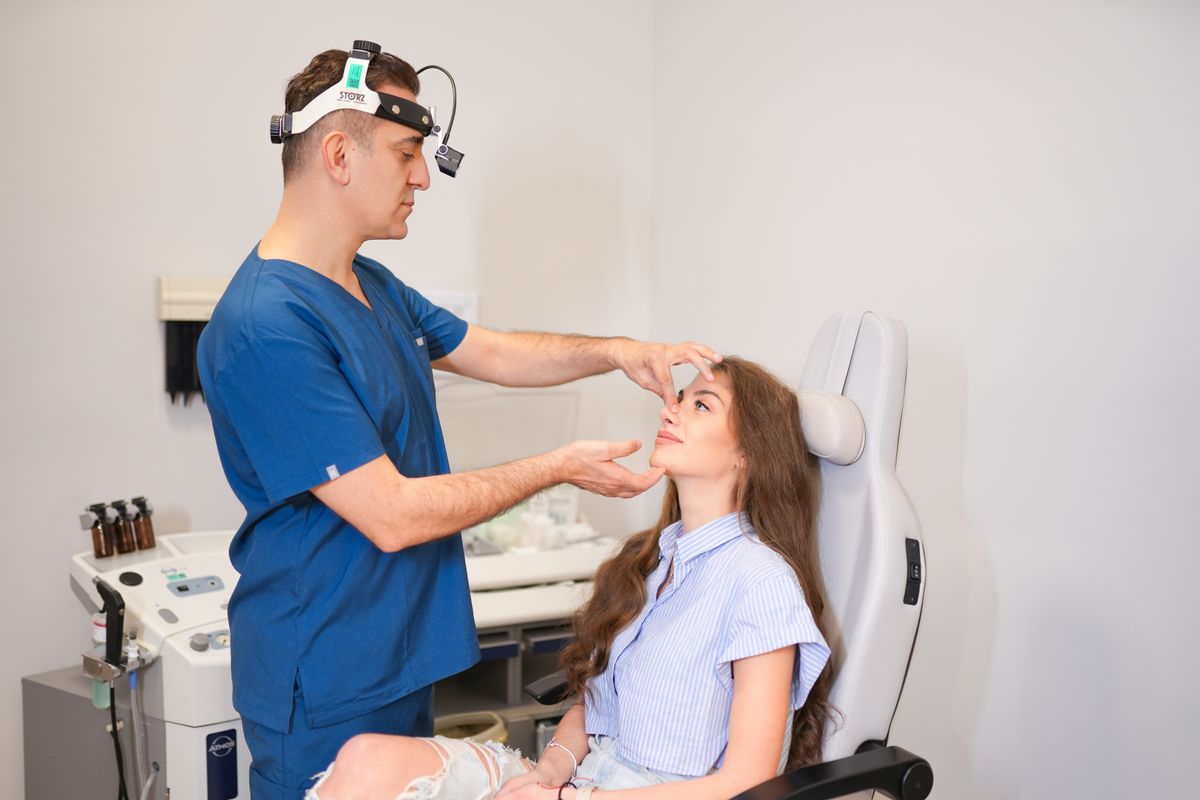 The consult is a private conversation. Browsing is part of it.
The fix
De-identified before it ever leaves your website.
The consult still counts toward your campaign. The person considering it stays anonymous.
What keeps working
Everything you advertise with today — untouched.
Before-and-after creative keeps driving consults: bookings are delivered server-side with the ad-click ID attached, so Meta knows the campaign worked — not who it worked on.
Surgical keywords are among the priciest in medicine — attribution and GA4 reporting keep flowing, de-identified before Google ever sees them.
Phone taps, consult-request forms and booking clicks are detected automatically and counted as conversions. One script tag — no developer, no re-platforming.
Beyond compliance
The gallery can be public. The visitor can’t.
 Between the patient and the mirror — not the ad platforms.
Discretion is why they chose you.
Patients considering surgery often tell no one — not partners, not friends. When your website shares their browsing with ad platforms, the retargeting that follows can reveal what they weren’t ready to share, on screens they don’t control.
minusPHI makes “your research stays between us” a written promise — with a plain-language log to back it up.
- A plain-language log of what was sent, hidden, or blocked
- Sensitive pages suppressed automatically — nothing sent at all
- Visitor "do not sell" signals honored, with receipts
Questions
The honest answers.
Do our before-and-after galleries change?
Nothing on your website changes — galleries, financing pages, consult forms all look and work exactly as they do today. minusPHI only changes what leaves the visitor’s browser: identity out, marketing signal through.
Will our Instagram ads still optimize?
Yes — for what matters. Consult campaigns optimize on conversion events, delivered server-side with the ad-click ID attached, so attribution keeps working. What you give up is visitor retargeting, because that inherently requires handing Meta the browsing data this product exists to protect.
Does this matter for purely cosmetic work?
Yes. Plaintiffs and state privacy laws don’t distinguish cosmetic curiosity from medical need — browsing about a person’s body is sensitive either way, and your practice is HIPAA-covered regardless. Removing the identity ends the question for both.
What does setup look like?
About five minutes: paste one script tag into WordPress, Squarespace, Wix, Webflow or a custom site. Conversions are detected automatically, and your first exposure report arrives the same day. No developer required.
Discretion, provable — starting with the website.
Start free — no credit cardFull protection is free for 14 days, then $99/month per website · Cancel anytime